An Introduction To Author Rank
The landscape of SEO is forever changing.
At first, all you had to do was optimize your content. As the search engines evolved, the focus moved onto backlinks and Page Rank, followed by social media.
Right now we’re moving into a new era of SEO.
Author Rank.
In 2011 we had several waves of panda updates, followed by the monster penguin updates in 2012. While those updates were disastrous for thousands of webmasters, Author Rank could be even more disruptive than all of the previous updates put together.
With that said, if you pay attention and start building your Author Rank now, you’ll be way ahead of the competition in the next few months to years.
Really SEO is changing for the better. It’s changing to support authors, to support sites that put out excellent content.
This new era of SEO is based on author rank. In the past year, it’s gone from ‘if’ author rank will be important to a matter of ‘when’. It’s been confirmed that Google is moving away from the old school method of ranking websites.
Google no longer wants anonymous webmasters ranking for super competitive high-traffic keywords. They want to put an identity to every site on the Internet. They want personal trainers ranking for weight loss keywords and doctors ranking for medical terms.
In other words, they don’t want SEOs ranking for keywords they have no business ranking for.
An Explanation Of Author Rank
This is taken from copyblogger, where he explains the origins of Author Rank:
Author Rank was born out of a patent that Google filed back in 2005 called AgentRank. As I wrote in Seven Ways Writers Can Build Authority Online with Google+:
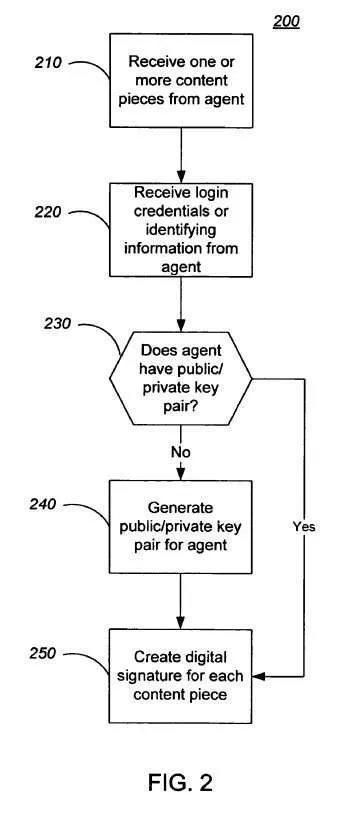
AgentRank is supposed to create digital signatures for “agents” (think writers and other content creators), which would then accumulate reputation scores based upon public reaction to their content (comments, social shares, links).
The important distinction here is that this score was “portable.” It wasn’t tied to a site (which doesn’t move across the web), but a person (who does). That’s impossible to do, however, unless you establish a platform to identify “agents.”
The one problem with the above patent was that the identity was not portable. It wasn’t mobile. So Google updated their patent to Author Rank, making the identity of the author capable of being traced across the web — as long as he has a Google+ account and authorship markup implemented.
As we’ve thought for a long time, Google wants to rank content based on WHO published it, not just by how many links it has. So they created AgentRank as an algorithm to rank content based on its “Agent” i.e. writer/content creator.
The idea is for it to rank a person’s content based on their reputation. That’s essentially what this is, Reputation Rank. Just like Page Rank, Author Rank will give an individual a score based on factors like the comments, social shares, and links their content receives.
The idea of the patent was that the score wouldn’t be tied to a site, but an individual person. With this in place, if a highly popular author from one site starts a new site, the content on the new site will immediately rank well; because Google knows it’s the same author from site one.
But it wasn’t possible without a platform to identify agents. Fast forward a few years, this platform has been created and launched; called Google+. With Google+, Google can identify authors, and track their activity across the web.
Essentially Author Rank is like portable authority. It’s like having a VIP card you can carry around to any website, so no matter where you publish content, it will rank well despite the Page Rank of the domain (although PR will always have importance for the foreseeable future).
The other concept behind Author Rank is to penalize anonymous webmasters, while rewarding verified authors with higher rankings and more visibility (more on that below).
Taken from AJ Khon’s post on Author Rank:
… you put together the launch of Google+ (an identity platform) with rel=author (a digital signature) and add in the acquisition of two companies (PostRank and SocialGrapple) who mine activity and engagement and it is clear that Google is anxious to use Author Rank to help it deal with the digital content avalanche.
So Google has launched Google+ as a social network, as well as an author identification platform. Rel=author is what they’re referring to as a digital signature, it’s how you set up Google Plus Authorship (which is connecting your site to your G+ profile as talked about in my post here – this puts an identity to a site).
Throw Google’s acquisition of two social analytics companies, it’s pretty clear what Google is doing. They’ve set up a system to score authors based on popularity metrics, on top of their infamous Google Page Rank system. So what does this mean for the average webmaster?
It means if you want to stay in the game of SEO, you need to stop what you’re doing and build authority sites. You need to claim Google Authorship with rel=author and start publishing lots of high-quality content. You need to start building your Author Rank.
Right now Page Rank is still king, and about 80% of Page Rank is made up of incoming backlinks. So links are king, and content is queen. But, with these subtle moves Google has been making, it’s easy to connect the dots. It’s time to wake up and smell the bacon.
What Makes Up Google Author Rank?…

Comments
HypnoAthletics, March 29, 2013
This definitely makes more sense. Maybe it will mean more dollars for some of us authors too! I have seven years worth of blogging on 11 of my own websites to get ranking. This is very insightful and timely info. Thank you, David.
Tyronne Ratcliff, March 29, 2013
Great post Dave, if webmasters think they can hide behind their computers they got another thing coming, like you just mentioned those days are virtually over, people need to embrace this fact if they plan on being around long term, thanks for the informative post.
Emma Johnson, March 29, 2013
David, this article is spot on! Author Rank is such an important concept that many people overlook. Your explanation really helps clarify its significance. I’ve started working on my Google+ profile thanks to your advice. Keep up the great work!
Michael Lee, March 29, 2013
Thanks for the detailed breakdown, David. It’s fascinating to see how SEO strategies evolve. Author Rank seems like a game-changer, and I appreciate your tips on staying ahead of the curve. Do you have any advice on the best practices for building Author Rank quickly?
Samantha Green, March 29, 2013
This is an eye-opening post, David. The shift towards Author Rank makes a lot of sense, especially in promoting quality content. I’m curious, how long did it take you to see tangible results from focusing on Author Rank?
Chris Thompson, March 29, 2013
Great insights, David. I’ve been hearing a lot about Author Rank, but your article really explains its impact thoroughly. I’m going to start implementing these strategies right away. Any additional resources you recommend?
Linda Parker, March 29, 2013
Thank you for this comprehensive guide, David. Author Rank is definitely something I need to pay more attention to. Your step-by-step explanation is incredibly helpful. Do you think traditional SEO tactics will still hold value alongside Author Rank?