“How To Change Your Mind” Book Review – The Phenomenology Of Psychedelic Experience
In my last blog post about vision, I talked about how I’ve read about 250 books in the last 18 months. Most of the time I wake up around 6am and I read till about noon. Through this habit, I end up reading a book every 1-4 days, depending on the length of the book.
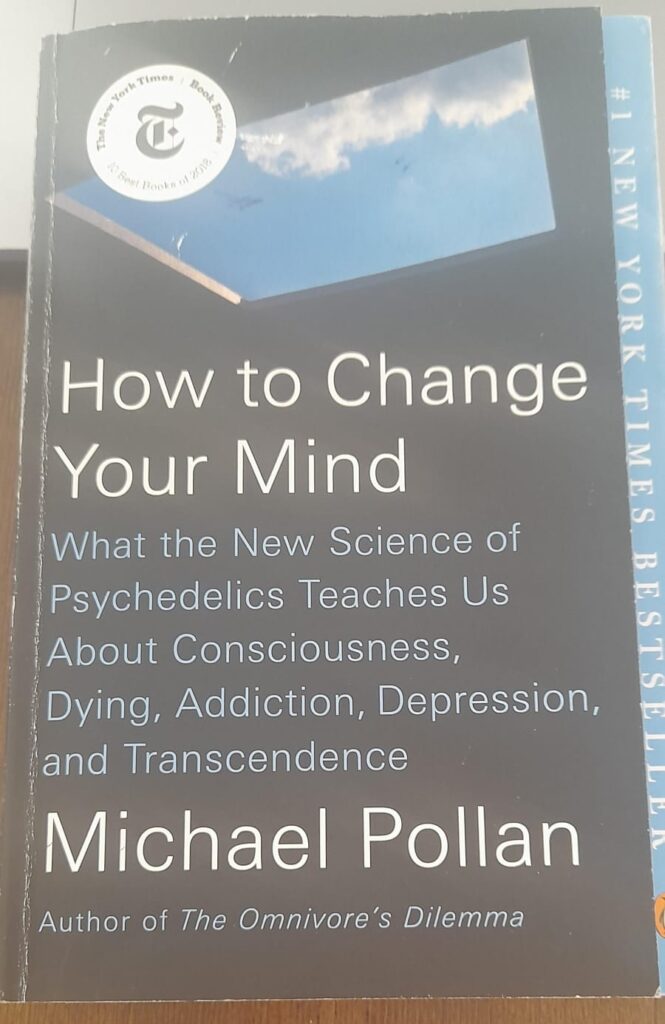
Through this, I’ve gained more depth in my perspective about everything from economics to psychology, and many things in between including politics, marketing, science, and more. The last book I read is called “How To Change Your Mind” by Michael Pollan. This book is about “What the New Science of Psychedelics Teaches Us About Consciousness, Dying, Addiction, Depression, and Transcendence.“
This subject is fascinating to me for a variety of reasons and personal experience because in 2017 I went through a dramatic and profound spiritual healing experience on May 20th, facilitated by taking a high dosage psychedelic mixture I made when while I was staying in Puerto Rico.
That experience is beyond the scope of this message, but in the future I might write something about it. For now it will suffice to say that I have been interested since that time period in the science of psychedelics and how they can positively impact the psychology, spirituality and emotional health of both individuals and communities if administered properly.
I picked up How To Change Your Mind because I wanted to understand some of the history behind psychedelics research and also some of the issues surrounding the movement, and I had an incredibly positive experience reading the book. In general, in bringing up psychedelics (also sometimes referred to as entheogens or hallucinogens) the response in conversations is mixed.
One group of people tend to be incredibly positive towards psychedelics and another group tends to see them as something fringe that is taken by drug addicts and hippy types. After reading the book, I’m convinced that the only reason someone would fall into the latter category is that they are uneducated on the vast depth of research surrounding psychedelics and their power to heal and integrate the personality.
For example, in quoting a well known paper titled “Psilocybin Can Occasion Mystical-Type Experiences Having Substantial and Sustained Personal Meaning and Spiritual Significance” Michael observes:
The study demonstrated that a high dose of psilocybin could be used to safely and reliably “occasion” a mystical experience—typically described as the dissolution of one’s ego followed by a sense of merging with nature or the universe. This might not come as news to people who take psychedelic drugs or to the researchers who first studied them back in the 1950s and 1960s. But it wasn’t at all obvious to modern science, or to me, in 2006, when the paper was published.
What was most remarkable about the results reported in the article is that participants ranked their psilocybin experience as one of the most meaningful in their lives, comparable to “the birth of a first child or death of a parent.” Two-thirds of the participants rated the session among the top five most spiritually significant experiences” of their lives; one-third ranked it the most significant such experience in their lives. Fourteen months later, these ratings had slipped only slightly. Th volunteers reported significant improvements in their “personal well-being, life satisfaction and positive behavior change,” changes that were confirmed by their family members and friends.
How To Change Your Mind goes in depth into an incredible amount of history, research, and also subjective experience of the author, covering depth about studies and history related to LSD, Psilocybin and also plant medicines such as Ayahuasca and 5-MeO-DMT (also known as “the toad”) as well as the political reasons why this research has been suppressed, banned or ignored throughout long periods of time.
One thing that I like about Michael Pollan’s book is that he recommends that people utilize these substances in controlled settings with facilitators, pointing out on page 14:
…it’s important to distinguish what can happen when these drugs are used in uncontrolled situations, without attention to their set and setting, from what happens under clinical conditions, after careful screening and under supervision. Since the revival of sanctioned psychedelic research beginning in the 1990s, nearly a thousand volunteers have been dowsed, and not a single serious adverse event has been reported.
Moreso, the incredible benefits to these psychedelic interventions are well documented in well over 1000 studies at this point. On page 78, he points out:
Completed studies suggest that psilocybin—or rather the mystical state of consciousness that psilocybin occasions—may be useful in treating both addiction (a pilot study in smoking cessation achieved an 80 percent success rate, which is unprecedented) and the existential distress that often debilitates people facing a terminal diagnosis. When we last met, Griffiths was about to submit an article reporting striking results in the lab’s trial using psilocybin to treat the anxiety and depression of cancer patients; the study found one of the largest treatment effects ever demonstrated for a psychiatric intervention. The majority of volunteers who had a mystical experience reported that their fear of death had either greatly diminished or completely disappeared.
Psychedelic induced mystical experiences produce profound, positive, and many times permanent effects on the subjects of research studies. He quoted a letter from Huston Smith, a scholar of comparative religion that was written to Bob Jesse shortly after 2006, which stated:
The Johns Hopkins experiment shows—proves—that under controlled, experimental conditions, psilocybin can occasion genuine mystical experiences. It uses science, which modernity trusts ,to undermine modernity’s secularism. In doing so, it offers hope of nothing less than a re-sacralization of the natural and social world, a spiritual revival that is our best defense against not only soullessness, but against religious fanaticism. And it does so in the very teeth of the unscientific prejudices built into our current drug laws.”
When I had my experience in 2017, I can testify to the perspective altering, life changing effects of entheogenic compounds. In a fashion, psychedelics have the power to decentralize spiritual experience, bringing the power of mystical realizations to anyone who desires to pursue them. This is deeply rooted in human history, as Michale Pollan points out when he says:
Humans have been using psilocybin mushrooms sacramentally for at least seven thousand years, according to Stamets. But animals sometimes ingest them too, for reasons that remain obscure.
However, it is not just the effect that psychedelics have in creating mystical experience for the users. There is a growing, yet incredibly deep body of research in the utilization of psychedelic compounds to treat addictions. On page 149, he references a study on alcoholism:
Here was an arresting application of the psychotomimetic paradigm: use a single high-dose LSD session to induce an episode of madness in an alcoholic that would simulate delirium tremens, shocking the patient into sobriety. Over the next decade, Osmond and Hoffer tested this hypothesis on more than seven hundred alcoholics, and in roughly half of the cases, they reported, the treatment worked: the volunteers got sober and remained so for at least several months. Not only was the new approach more effective than other therapies, but it suggested a whole new way to think about psycho-pharmacology. “From the first,” Hoffer wrote, “we considered not the chemical, but the experience as a key factor in therapy.” This novel idea would become a central tenet of psychedelic therapy.
If you notice, he mentioned that half of the people got sober. Most people don’t know this, but Bill Wilson, the founder of Alcoholics Anonymous credited his own sobriety to a psychedelic experience on belladonna, an alkaloid plant with hallucinogenic properties that was given to him at Towns Hospital in Manhattan in 1934. AA has a sobriety percentage of between 8% and 12%, in comparison to the study. The book even mentions on page 153:
Bill W. thought there might be a place for LSD therapy in AA, but his colleagues on the board of the fellowship strongly disagreed, believing that to condone the use of any mind-altering substance risked muddying the organization’s brand and message.
This falls in line with a general pattern of societal suppression for psychedelic usage that I’ve observed in my own life experience and is also pointed out in the book. LSD (Lysergic acid diethylamide) is listed as a Schedule 1 substance in the United States since the 1970s, which has effectively shut down research into the vast majority of psychedelic substances, even though at the time there was over 1000 clinical studies that had been completed, with much of the psychiatric community declaring LSD to be a “wonder drug.” I’ve often thought about this in historical context, and it seems to me that the psychedelics movement in the 1960’s produced a generation of people that were in rebellion against the authority structures, with many unwilling to participate in the Vietnam war. I have always wondered if the war on drugs was actually started to shut down the social rebellion and bring people back into submission to the general propaganda of the time. I guess I will have to read more history to find out.
One thing is for certain: If someone majorly objects to the reclassification of psychedelic substances it is not because there is no scientific proof as to their effectiveness in personal transformation or in the treatment of mental illness, it is simply because the person either hasn’t read any of the vast empirical research studies, or because they simply are stuck in a pattern of maintaining their previous belief systems. The evidence is actually empirical and clear that psychedelics can create healing and liberation to many people who are suffering from addiction and other ailments such as depression, and if you question that I would encourage you to pickup a copy of How To Change Your Mind by Michael Pollan and read his detailed historical breakdown.
One thing that is fascinating in literature surrounding psychedelic encounters is the incredible depth and transformative power of the mystical experiences people have. He points out:
According to scholars of mysticism, these shared traits generally include a vision of unity in which all things, including the self, are subsumed (expressed in the phrase “All is one”); a sense of certainty about what one has perceived (“Knowledge has been revealed to me”); feelings of joy, blessedness, and satisfaction; a transcendence of the categories we rely on to organize the world, such as time and space or self and other; a sense that whatever has been apprehended is somehow sacred (Wordsworth: “Something far more deeply infused” with meaning) and often paradoxical (so while the self may vanish, awareness abides). Last is the conviction that the experience is ineffable, even as thousands of words are expended in the attempt to communicate its power.
I know from personal experience the power in mystical experience as do many others in the healing of the mind and emotions from all kinds of ailments. As he mentions:
Carhart-Harris believes that people suffering from a whole range of disorders characterized by excessively rigid patterns of thought—including addiction, obsessions, and eating disorders as well as depression—stand to benefit from “the ability of psychedelics to disrupt stereotyped patterns of thought and behavior by disintegrating the patterns of [neural] activity upon which they rest.”
This healing ability comes from the ability that psychedelics have to unify different areas of the brain and create a more holistic perception of the world.
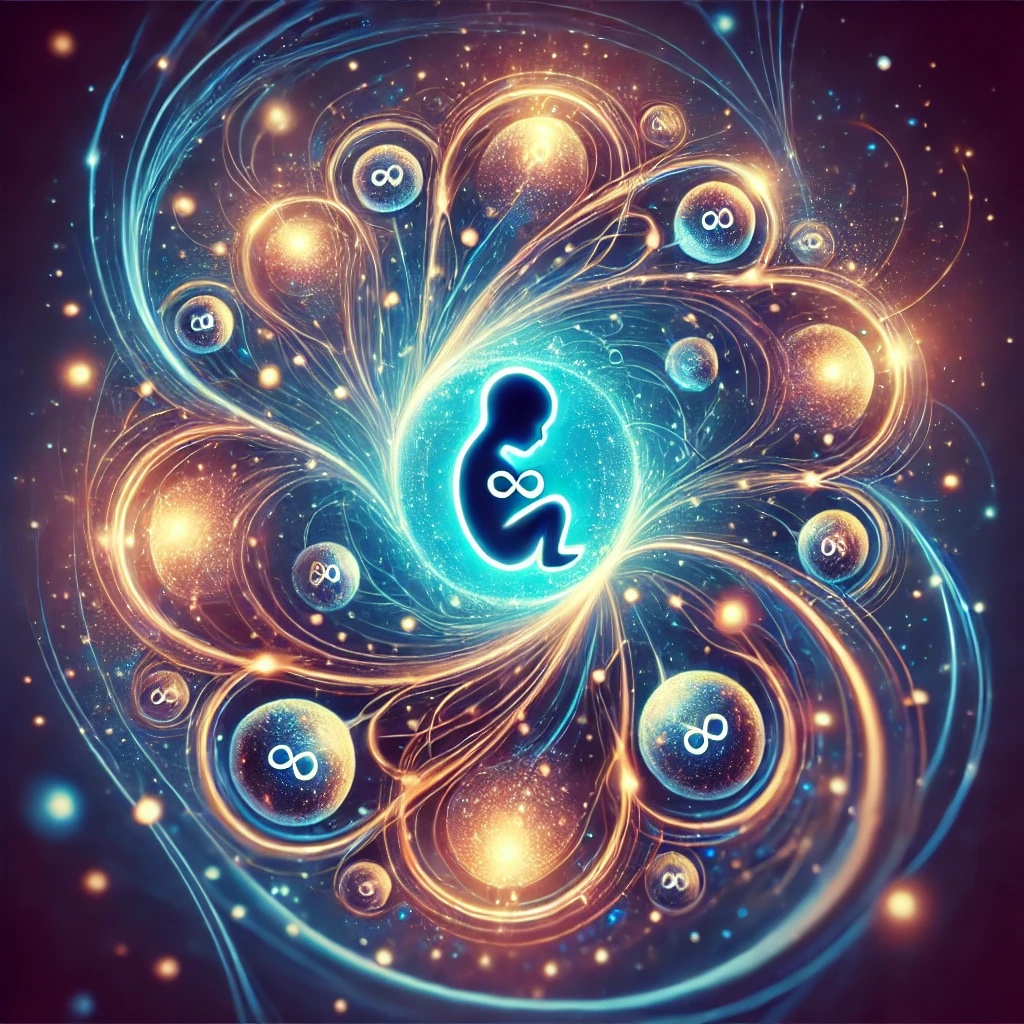
“Distinct networks became less distinct under the drug,” Carhart-Harris and his colleagues wrote, “implying that they communicate more openly,” with other brain networks. “The brain operates with greater flexibility and interconnectedness under hallucinogens.”
But when the brain operates under the influence of psilocybin… thousands of new connections form, linking far-flung brain regions that during normal waking conciousness don’t exchange much information. In effect, traffic is rerouted from a relatively small number of interstate highways onto myriad smaller roads linking a great many more destinations. The brain appears to become less specialized ad more globally interconnected, with considerably more intercourse, or “cross talk,” among its various neighborhoods.
This is powerful, because many ailments of human consciousness come from the mind being disjointed and disconnected, the unconscious mind falling out of alignment with the conscious, the mind separating into parts that war against each other. He mentions:
If psychedelic therapy proves successful, it will be because it succeeds in rejoining the brain and mind in the practice of psychotherapy. At least that’s the promise.
He points out two researchers, Stephen Ross and Tony Bossis in the NYU treatment room who’s excitement could not be contained in research that was being done with cancer patients.
At first, Ross couldn’t believe what he was seeing: “I thought the first ten or twenty people were plants—that they must be faking it. They were saying things like ‘I understand love is the most powerful force on the planet’ or ‘I had an encounter with my cancer, this black cloud of smoke.’ People were journeying to early parts of their lives and coming back with a profound new sense of things, new priorities. People who had been palpably scared of death—they lost their fear. The fact that a drug given once could have such an effect for so long is an unprecedented finding. We have never had anything like that in the psychiatric field.”
The book goes into an incredible amount of detailed descriptions on mystical experiences of people involved in studies, the remapping of the neurology of the brain in the midst of psychedelic experience, and the profound, life changing effects on people, from the alleviation of depression in cancer subjects, to the breaking of age old addictions and profoundly altering the direction of people’s lives. Overall, reading “How To Change Your Mind” by Michael Pollan was a positive experience, and I feel more educated on the current political and social issues surrounding psychedelics as well as the positive potential impact that they can have in people’s lives if the government removed the decades long ban on their distribution and use.
Overall, I have become convinced more than ever that the governments of the world should generally stay out of people’s personal business and allow them to pursue what they believe is best for themselves. That to me seems in line with the principle of the freedom of life, liberty, and the pursuit of happiness.
But what do you think of psychedelics? Please leave me your thoughts in the comments, and let me know if you decide to pickup a copy of the book.
Love,
David Wood
P.S. You can get a copy of Michael Pollan’s book on Amazon by clicking the photo:
P.P.S. This is the first book I’ve read about psychedelics but it won’t be the last. However my next book review (I am thinking of doing many of these as I read) will either be a business book or another book I am reading about how to avert a climate disaster. Again, leave me your thoughts about the social and political issues surrounding psychedelics and their use in the comments.
![How To Avoid A Climate Disaster By Bill Gates [book review]](https://workwithdavidwood.com/wp-content/uploads/2024/10/DALL·E-2024-10-07-09.59.41-A-more-serene-depiction-of-a-climate-disaster-aftermath.-The-scene-shows-a-flooded-city-street-with-water-calmly-reflecting-the-overcast-sky.-Buildin-768x768.png)
![The Billion Dollar Bullseye and The Seven Rings Of Power [Jcron Book Review]](https://workwithdavidwood.com/wp-content/uploads/2024/10/75831a-75e7-c83d-56ea-bf77f7a6c018_1-BDB-768x770.webp)